


The Life Cycle of a Plant
The life cycle of a plant encompasses several distinct stages, each playing a vital role in the overall development and growth of the organism. This journey begins with a seed, which acts as the initial stage from which a plant emerges. Seeds are remarkable structures designed to protect the embryonic plant and facilitate its growth.
The first phase of the plant’s life cycle is germination, where the seed absorbs water and swells, breaking through its tough outer coat. This process is stimulated by environmental factors such as moisture, temperature, and oxygen availability. Once germination occurs, the radicle, or embryonic root, emerges to anchor the plant within the soil, followed by the shoot that will develop into the stem and leaves.
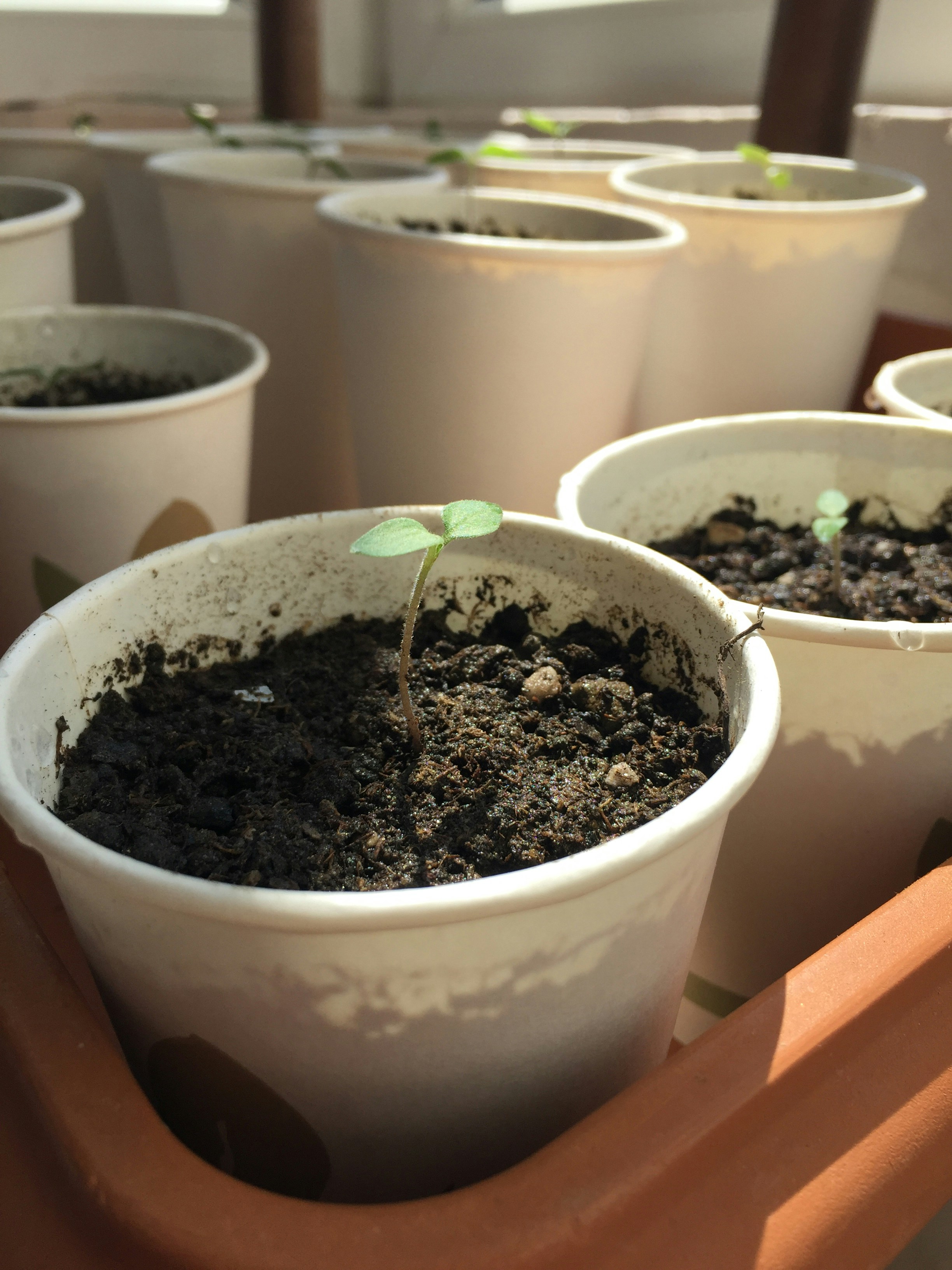
After germination, the plant enters the seedling development stage. During this period, the tiny plant focuses on establishing a strong foundation by expanding its root system and producing its first true leaves. This phase is critical as the seedling captures sunlight and utilizes photosynthesis to produce energy required for further growth.
The following stage is vegetative growth, which is characterized by rapid expansion in size. The plant develops more leaves and a robust stem, allowing it to effectively gather sunlight and nutrients from the soil. This growth phase may last for varying durations, depending on the plant species, environmental conditions, and availability of resources.
Finally, the plant reaches the flowering stage, where it develops flowers, enabling reproduction. This phase is crucial for the continuation of the species, as flowers facilitate pollination and subsequent seed formation. The successful transition through these stages ultimately leads plants to achieve their full size, demonstrating the intricate and vital nature of the life cycle.
Factors Influencing Plant Growth
Plant growth is a complex process influenced by multiple environmental factors. The primary elements affecting this growth include sunlight, water, soil nutrients, and temperature. Each of these components plays a vital role in the overall health and development of plants, serving as the foundation for their life cycle.
Sunlight is crucial for the process of photosynthesis, where plants convert light energy into chemical energy. The intensity and duration of sunlight significantly influence plant growth rates. For instance, plants that receive optimal sunlight tend to grow faster and produce more biomass than those that are shaded. Insufficient light can lead to elongated stems and smaller leaves as the plants stretch towards the light source, demonstrating the essential relationship between sunlight and effective growth.
Water availability also plays a vital role in ensuring healthy plant growth. Water is necessary for photosynthesis, nutrient transport, and maintaining cell turgidity. Overwatering can suffocate roots, while drought can cause wilting and stunted growth. Thus, striking a balance in water availability is crucial for plants to thrive.
Soil nutrients are another critical factor. Essential macronutrients like nitrogen, phosphorus, and potassium contribute to various physiological processes in plants, from root development to fruit production. The presence of micronutrients, such as iron and magnesium, also supports growth. The right balance of nutrients in the soil promotes robust plant health and enhances growth potential.
Finally, temperature affects metabolic processes within the plant. Most plants have optimal temperature ranges for growth and development. Extreme cold or heat can hinder growth, causing stress that may lead to reduced yield and increased vulnerability to diseases.
The Role of Photosynthesis in Growth
Photosynthesis is a fundamental process that occurs in plants, enabling them to convert sunlight into chemical energy. This remarkable ability is vital for plant growth and development, allowing seedlings to expand and mature into robust organisms. During photosynthesis, plants absorb sunlight through chlorophyll, the green pigment found primarily in the leaves. This absorbed light energy is then used to transform carbon dioxide from the atmosphere and water taken up from the soil into glucose, which serves as an essential energy source for growth.
The process of photosynthesis can be summarized by the equation: 6CO2 + 6H2O + light energy → C6H12O6 + 6O2. This indicates that for every six molecules of carbon dioxide and six molecules of water absorbed, one molecule of glucose is produced, along with oxygen, which is released back into the environment. This not only highlights the efficiency of photosynthesis but also illustrates the interdependency between plants and animals through the oxygen they produce.
Photosynthesis occurs in two main stages: the light-dependent reactions and the Calvin cycle. The light-dependent reactions take place in the thylakoid membranes of the chloroplasts, where sunlight absorption leads to the production of ATP and NADPH, two molecules that store energy. The Calvin cycle, occurring in the stroma of chloroplasts, utilizes these energy carriers to convert carbon dioxide into glucose. This whole process is crucial for the growth of plants, as the glucose produced is used in cellular respiration, providing the energy required for various growth processes, including cell division and enlargement.
At the cellular level, photosynthesis fosters increased biomass through sustained energy supply, allowing plants to allocate resources for root, stem, and leaf development. As seedlings harness energy from sunlight, they can grow larger and stronger, eventually transforming into mighty giants of nature. Understanding this intricate process provides valuable insight into how plants thrive and adapt in their environments.
The Importance of Plant Growth to Ecosystems and Humans
Understanding plant growth is fundamental to appreciating the intricate balance of ecosystems and the pivotal role they play in human survival. Plants are the backbone of most ecosystems, acting as primary producers that convert sunlight into energy through photosynthesis. This process not only sustains the plants themselves but also supports a vast array of organisms, including herbivores, carnivores, and decomposers, which rely on plants directly or indirectly for nourishment.
Furthermore, plants enhance biodiversity by providing habitats and food for countless species. Diverse plant communities promote resilient ecosystems that can better withstand environmental changes and stressors. For instance, forests, grasslands, and wetlands each host unique plant species that contribute to their ecological integrity. Thus, understanding the growth patterns and needs of these plants is crucial for conservation efforts aimed at preserving biodiversity.
In addition to their ecological roles, plants are integral to agriculture and food security, supplying the majority of the world’s food crops, medicinal plants, and raw materials. As the global population continues to rise, the demand for increased agricultural productivity intensifies. Therefore, it becomes essential to comprehend plant growth mechanisms to enhance cultivation methods and select resilient varieties that can thrive in changing climates. Innovations in agricultural practices, such as sustainable farming and agroforestry, hinge on knowledge derived from plant growth studies.
In conclusion, the significance of understanding plant growth transcends academic interest; it is vital for maintaining healthy ecosystems and securing food resources necessary for human existence. By fostering an appreciation for the complexities of plant life, we can better advocate for practices that promote sustainable interaction with our environment, ensuring both ecological health and human prosperity.

Leave a Reply