


Introduction to Medicinal Plants
Medicinal plants have been an integral part of human health and healing practices for thousands of years. Historically, diverse cultures harnessed the therapeutic properties of various plants to develop natural remedies for ailments ranging from minor illnesses to chronic conditions. The knowledge of their applications was largely passed down through generations, often becoming intertwined with cultural traditions and practices.
In modern times, there is a growing interest in herbal medicine, driven in part by the desire for natural and holistic treatments. As synthetic pharmaceuticals become more scrutinized for their side effects and long-term impacts, individuals are increasingly turning to nature for solutions. Medicinal plants offer a plethora of active compounds, such as alkaloids, flavonoids, and terpenoids, which contribute to their health benefits, making them valuable resources for both self-care and scientific research.
The importance of biodiversity in sustaining medicinal plants can not be overstated. As habitats are disrupted and global warming impacts ecosystems, the loss of plant species threatens the availability of these vital resources. Biodiversity strengthens the resilience of ecosystems, ensuring that numerous species can be utilized and researched for their healing properties. The conservation of medicinal plants is crucial for maintaining the efficacy of herbal medicine and promoting sustainable practices within communities.
As we delve deeper into this topic, we will explore various medicinal plants, revealing their benefits extracted through centuries of experience and research. Understanding these plants not only enriches our knowledge but also empowers us to utilize natural resources responsibly for health and wellness.
Top 20 Medicinal Plants and Their Uses
Medicinal plants have been utilized for centuries across various cultures for their therapeutic properties. Here, we provide a list of twenty significant medicinal plants, their scientific names, and an overview of their traditional uses, active compounds, and relevant studies supporting their benefits.
1. Aloe Vera (Aloe barbadensis miller)

Known for its soothing properties, Aloe Vera is commonly used for skin ailments. The gel obtained from its leaves contains compounds like aloin, which exhibit anti-inflammatory effects. Studies have demonstrated its efficacy in healing burns and wounds.
2.Turmeric (Curcuma longa)

Rich in curcumin, turmeric is valued for its anti-inflammatory and antioxidant properties. Clinical trials have found it beneficial in managing arthritis and enhancing cognitive function.
3. Ginger (Zingiber officinale)

Frequently used for digestion, ginger is recognized for its active components, such as gingerol. Research indicates its potential in alleviating nausea, especially in pregnant women and cancer patients undergoing chemotherapy.
4. Garlic (Allium sativum)

Garlic is traditionally used to improve cardiovascular health. The compound allicin has been linked to reducing blood pressure and cholesterol levels, supported by various clinical studies.
5. Peppermint (Mentha piperita)

Known for its aromatic qualities, peppermint oil is often used to relieve headaches and digestive issues. Its menthol content is known to possess analgesic properties.
6. Echinacea (Echinacea purpurea)

Commonly used to boost the immune system, studies have shown Echinacea can reduce the duration of cold symptoms when taken at the onset of illness.
7. Lavender (Lavandula angustifolia)

Valued for its calming effects, lavender oil is often used in aromatherapy. Research suggests it may help reduce anxiety and improve sleep quality.
8. Chamomile (Matricaria chamomilla)

: Frequently used as a tea, chamomile is known for its mild sedative effects. Studies indicate it can assist in alleviating insomnia and anxiety.
9. Ginseng (Panax ginseng)

Recognized for its adaptogenic properties, ginseng may enhance energy and improve overall health. Research supports its role in stress reduction and cognitive enhancement.
10.Ashwagandha (Withania somnifera)

This herb is noted for its stress-reducing effects. Studies show it may help lower cortisol levels and provide relief from anxiety.
11. St. John’s Wort (Hypericum perforatum)

Traditionally used for depression, St. John’s Wort has been shown in studies to be effective for mild to moderate depressive disorders.
12. Milk Thistle (Silybum marianum)

Known for its liver-protective abilities, milk thistle contains silymarin, which has been researched for its hepatoprotective effects against toxins.
13. Sage (Salvia officinalis)

Often used for digestive and cognitive health, sage contains antioxidants and has been studied for its potential in improving memory function.
14. Nettle (Urtica dioica)

This plant is used for its anti-inflammatory properties, particularly in managing arthritis symptoms. Research suggests it may help reduce pain and improve joint function.
15. Holy Basil (Ocimum sanctum)

Revered in Ayurveda, holy basil is known for its stress-relieving properties and is being studied for its role in managing anxiety.
16. Licorice Root (Glycyrrhiza glabra)

This plant is traditionally used for respiratory ailments, and studies indicate it may help soothe sore throats and alleviate cough.
17. Fenugreek (Trigonella foenum-graecum)

Fenugreek seeds are often used to stimulate lactation in breastfeeding mothers. Further research has shown potential benefits in regulating blood sugar levels.
18. Bilberry (Vaccinium myrtillus)

Known for its high antioxidant content, bilberry is believed to support eye health. Studies have suggested improvements in night vision and blood circulation.
19. Cranberry (Vaccinium macrocarpon)

Commonly used to prevent urinary tract infections, cranberry juice has been researched for its ability to maintain urinary tract health.
20. Rosemary (Rosmarinus officinalis)

Rosemary is used to boost memory and concentration. Research indicates its aroma may improve cognitive performance and reduce stress levels.
Understanding these medicinal plants, their active compounds, and their associated benefits can enable individuals to leverage their natural healing properties responsibly. It is essential to consider possible side effects and consult a healthcare professional when integrating these plants into therapeutic regimens.
Incorporating Medicinal Plants into Your Routine
Medicinal plants offer a wealth of benefits, and integrating them into your daily life can promote well-being in various ways. One of the simplest methods of consumption is through herbal teas. Brewing a cup of chamomile or peppermint tea not only allows you to enjoy the flavor but also provides calming effects and digestive support. A variety of medicinal herbs can be transformed into infusions, which can be sipped throughout the day to harness their beneficial properties.
Tinctures are another effective way to use medicinal plants. They are concentrated liquid extracts made by soaking herbs in alcohol or vinegar, and they can easily be added to water or juice for consumption. This method is particularly useful for potent herbs that may be challenging to consume in large quantities. It is essential to follow recommended dosages if you’re new to tinctures and to consult with a healthcare professional, especially if you are taking other medications.
Essential oils derived from medicinal plants are increasingly popular for their therapeutic properties. They can be used in aromatherapy to promote relaxation or invigorate the senses. For topical applications, it’s crucial to dilute essential oils with a carrier oil to ensure safety and to avoid skin irritation. As you explore these potent plant derivatives, always consider potential allergies or interactions with existing health conditions.
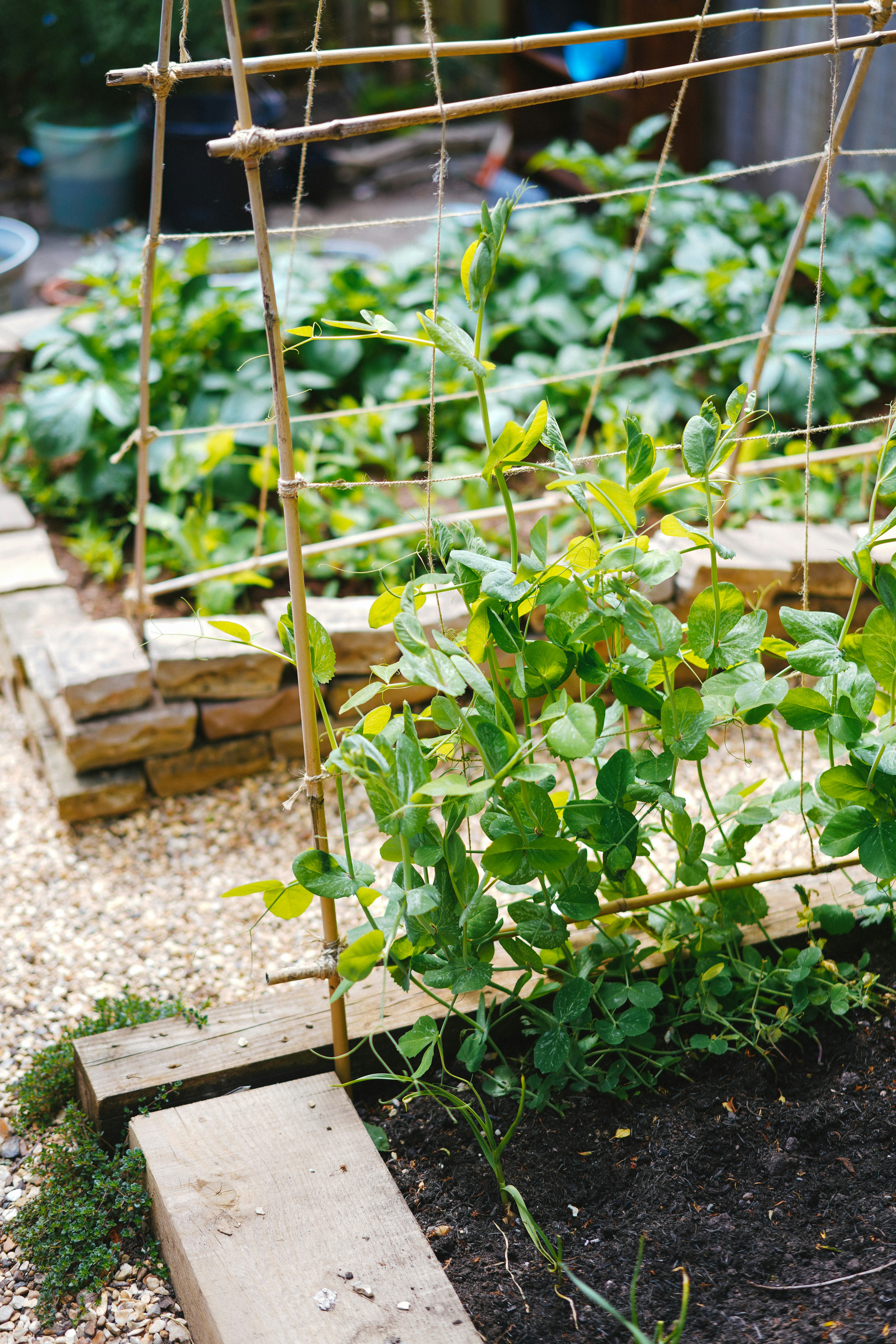
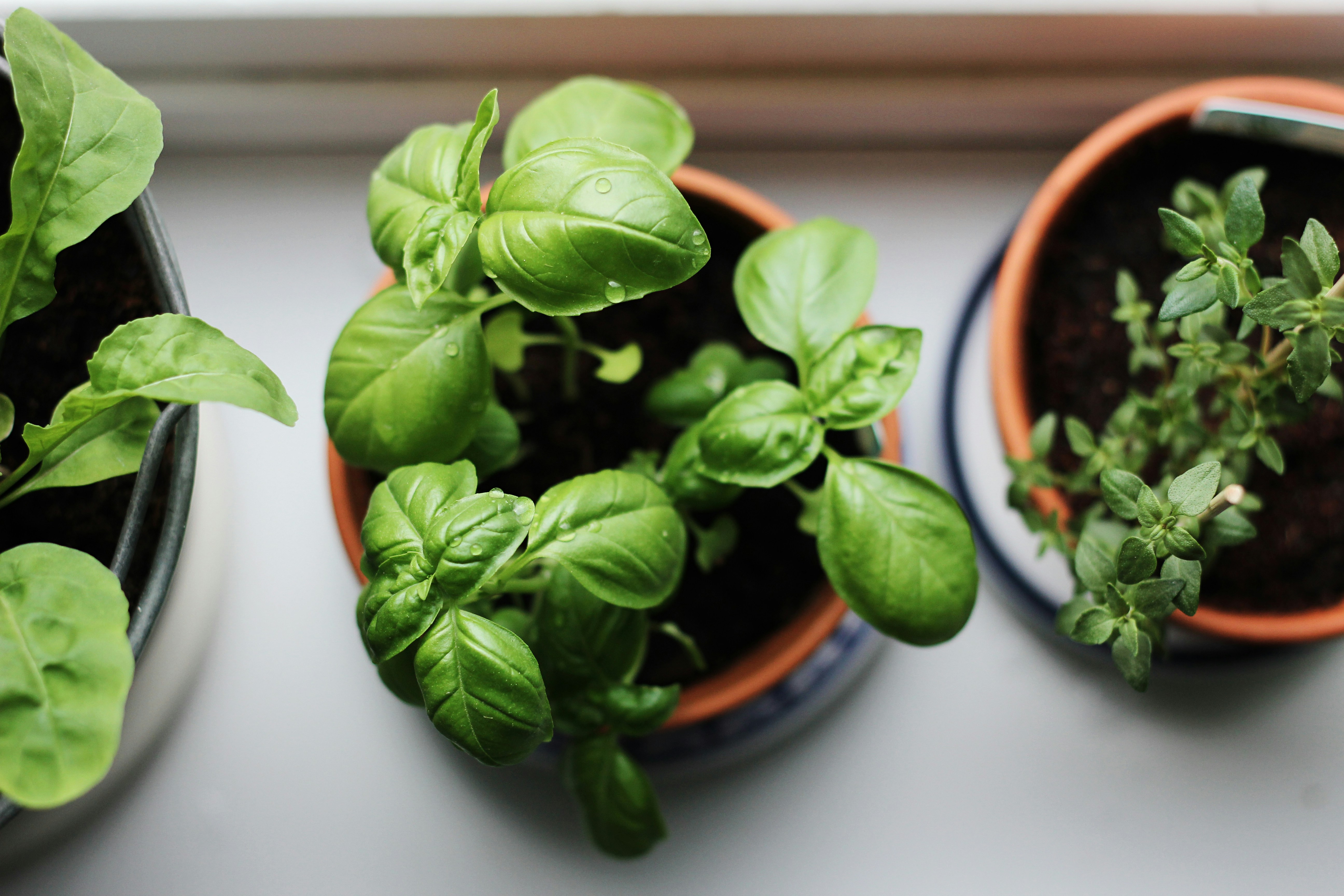
For those interested in home gardening, growing your own medicinal plants can be a rewarding experience. Starting with easy-to-grow herbs like basil, rosemary, or echinacea allows beginners to gain confidence and knowledge. Ensuring they have the right conditions—adequate sunlight, well-drained soil, and proper watering—plays a critical role in their growth. Home cultivation not only provides fresh ingredients for herbal remedies but also invites a fulfilling practice that connects you with nature.
Lastly, as with any new health regimen, safety should always come first. It is advisable to conduct thorough research and consult with herbalists or health experts before embarking on your journey with medicinal plants. This ensures a better understanding of what works for you and mitigates risks associated with herbal misuse.
Conclusion and Future of Medicinal Plants
The exploration of medicinal plants and their benefits has long been a cornerstone of traditional medicine systems around the globe. Numerous scientific studies have validated the therapeutic properties of various plants, shedding light on their potential use in modern healthcare. As research continues to evolve, there is an increasing recognition of the importance of integrating traditional knowledge with contemporary scientific methodologies, which opens new avenues for pharmaceutical innovation.
However, the future of medicinal plants is confronted with several challenges, primarily stemming from environmental pressures such as overharvesting and habitat loss. Many species are being threatened by unsustainable practices, which may lead to a significant reduction in biodiversity. The loss of these plants not only threatens the ecological balance but also compromises traditional healing practices that rely on specific species for treatment.
Preserving the knowledge surrounding medicinal plants is critical, particularly in indigenous populations where this wisdom has been passed down through generations. By documenting and respecting traditional practices, we can work towards a more sustainable future for medicinal plants. Furthermore, sustainable harvesting techniques can be developed to minimize the ecological footprint while still allowing for the use of these valuable resources.
On the horizon, medicinal plants hold tremendous potential for healthcare. With the rising interest in natural remedies and holistic health approaches, incorporating these plants into mainstream medicine could lead to more effective treatment modalities. Ongoing research into their properties will further unveil their applications, potentially revolutionizing practices in preventive medicine and chronic disease management.
In conclusion, the future of medicinal plants hinges on a balanced approach that prioritizes both conservation efforts and scientific exploration. By fostering collaboration between traditional healers and modern researchers, we can ensure the survival of these invaluable resources and their benefits for generations to come.
Leave a Reply