


Introduction
While nature is breathtakingly beautiful, it also holds some hidden dangers. Here are the five most poisonous plants in the world that you probably wouldn’t want to encounter.
Aconite (Monkshood)

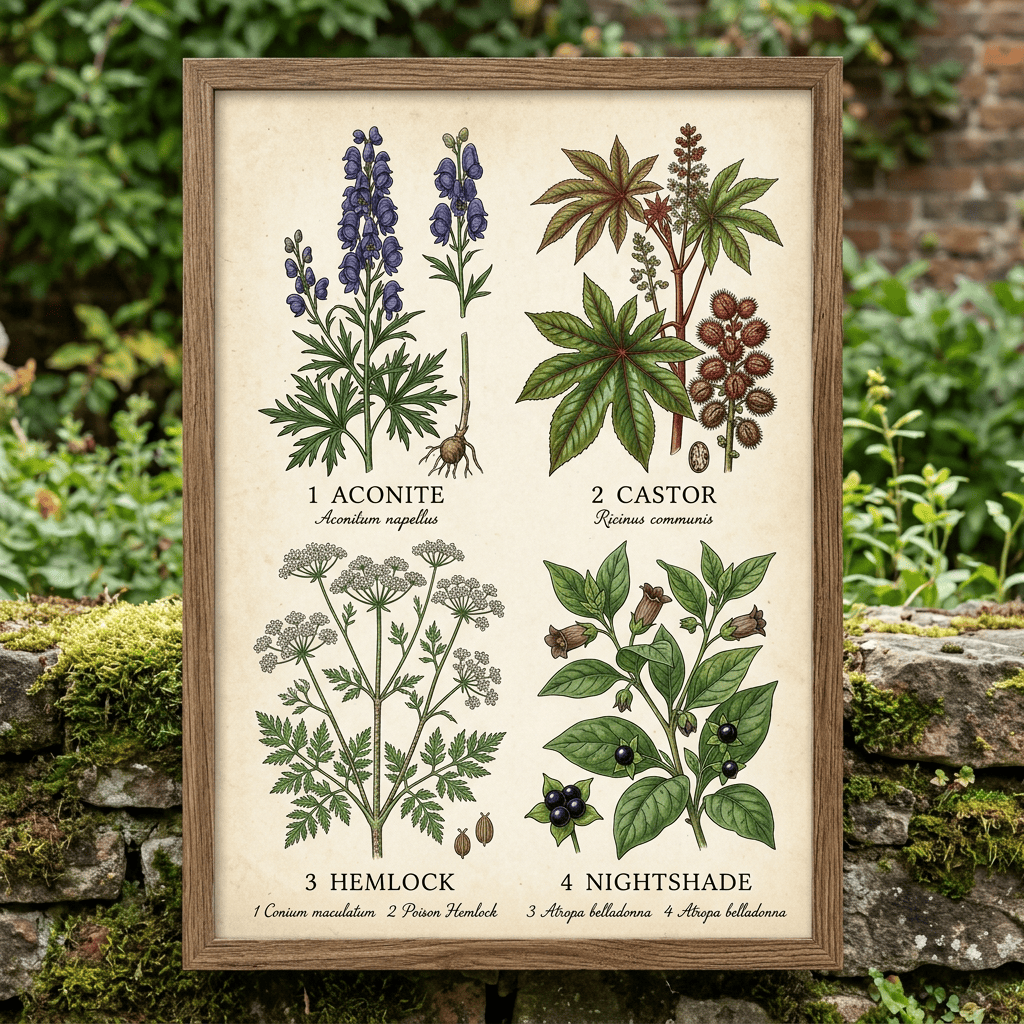
Aconite, commonly known as monkshood, contains potent alkaloids that can be lethal. All parts of this plant are highly toxic, particularly the roots. Just a small amount of the toxin can cause severe symptoms and even death. Its eerie appearance does not reflect its dangerous properties.
Caster Bean (Ricinus communis)

The castor bean plant is known for its beautiful seeds, which contain ricin, one of the most toxic substances known. Even a few seeds can be fatal if ingested. Ricin inhibits protein synthesis in cells, making it extremely harmful to humans and animals. Always be cautious around this plant!
Water Hemlock

Often regarded as the most poisonous plant in North America, water hemlock can be identified by its small white flowers. The plant contains a toxin called cicutoxin, which affects the central nervous system. Ingesting even a small amount can lead to seizures and respiratory failure.
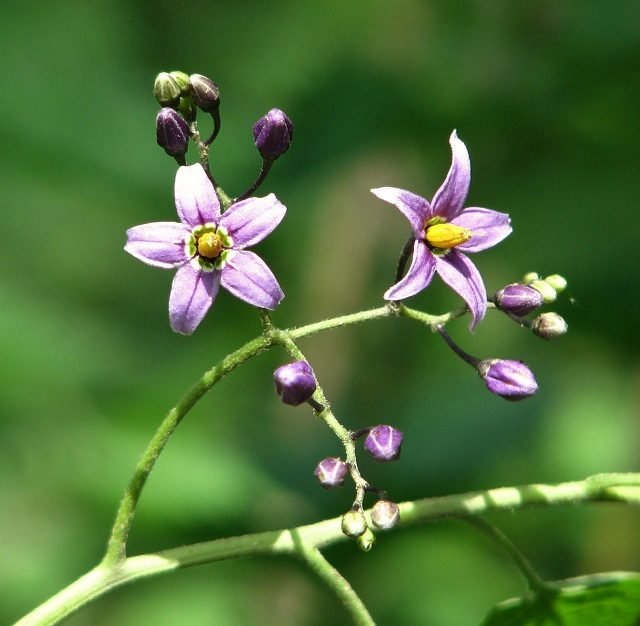
Deadly Nightshade (Belladonna)

With its alluring berries, deadly nightshade might catch your eye. However, all parts of the plant are toxic, with the berries being particularly dangerous. Even a few berries can cause pupil dilation and hallucinations, and it can be fatal to children.
Conclusion
Although these plants are fascinating, it is essential to remember their potential hazards. Appreciating nature’s beauty should always include awareness of its dangers!
Leave a Reply